1. Anti-hero Narratives: Finding Power in Ordinary Lives
Ghibli rarely crowns invincible heroes; it focuses on everyday people wrestling with setbacks. Kiki in 'Kiki's Delivery Service' is simply a 13-year-old on her first solo move. She pivots from exuberant confidence to panic when her magic falters, then rebuilds her identity with friends' support. That arc mirrors our own: the bravado of a first job, the sting of failure, and the maturity of self-compassion. Ghibli normalizes “imperfect progress,” reminding us that admitting vulnerability is the doorway to growth.
Shizuku in 'Whisper of the Heart' is equally ordinary—a middle-schooler who writes to keep up with someone she admires. Her sunset breakdown after a failed manuscript captures the desperation and grit of anyone chasing a dream. Ghibli's humanistic key lies here: protagonists may stumble and doubt, but they never stop searching for what they love—and that persistence is the mirror modern audiences need most.
2. Nature vs. Technology: Environmental Wisdom for Modern Cities
Before “sustainability” became a buzzword, Ghibli was sounding the alarm. In 'Nausicaä of the Valley of the Wind,' the feared Sea of Decay is actually Earth's immune system, purifying human pollution. Nausicaä chooses coexistence over conquest, signaling a shift from domination to reciprocity. 'Princess Mononoke' pushes further, depicting the scars of industrial ambition: forests fall, deities die, and humans are still not “victorious.” The film ends on a wounded equilibrium, implying that true environmentalism is a patient balancing act of technology, ethics, and responsibility.
These stories speak directly to urban dwellers. Sustainability isn't just policy; it's daily choices. Swapping disposables for reusables, embracing circular products, or volunteering for neighborhood greening are real-world echoes of Nausicaä's experiments and Ashitaka's mediation.
3. Time and Memory: Nostalgia as Emotional First Aid
'Only Yesterday' layers adult Taeko's present with the sensory fragments of childhood—the taste of her first pineapple, quarrels with her sister, awe at rural life. Nothing “dramatic” happens, yet the film offers a blueprint for slow living: healing begins when we befriend honest memories instead of running from reality.
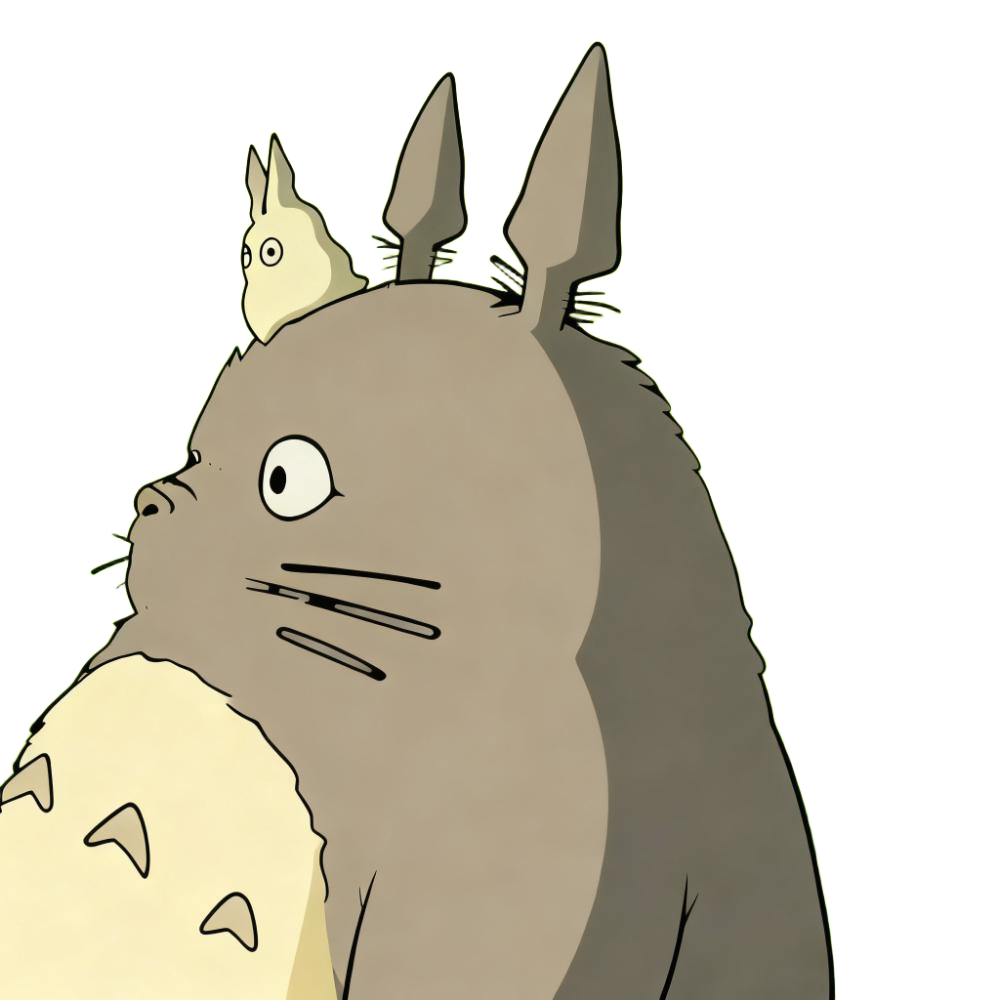
'My Neighbor Totoro' turns Showa-era countryside into shorthand for ideal living—kids dash through rice fields, dusk carries the scent of dinner. Ghibli's nostalgic lens nudges us to return attention to our senses: a breeze, rain on rooftops, a hot meal. Nostalgia here isn't escapism; it's a tool to rebuild connection with ourselves and those we love amid high-speed routines.
4. How Overseas Fans Can Apply Ghibli's Life Wisdom
1. Practice a “Ghibli gaze.” Log tiny joys: morning sunlight, sidewalk flowers, a friend's offhand care. Collect them in notes or photos to build your own “Totoro memory bank” and boost baseline happiness. 2. “Summon the protagonist” in difficult times. Facing layoffs, relocation, or heartbreak? Ask: what would Kiki try? How would Chihiro safeguard her name? Stepping into their shoes reframes adversity and keeps empathy intact. 3. Commit to “Ghibli-style sustainability.” Start small: carry a reusable bottle, pick recyclable packaging, join tree-planting or beach cleanups. Like Nausicaä running soil tests in the Sea of Decay, our micro actions stitch tangible hope.
5. FAQ on Ghibli's Humanistic Spirit
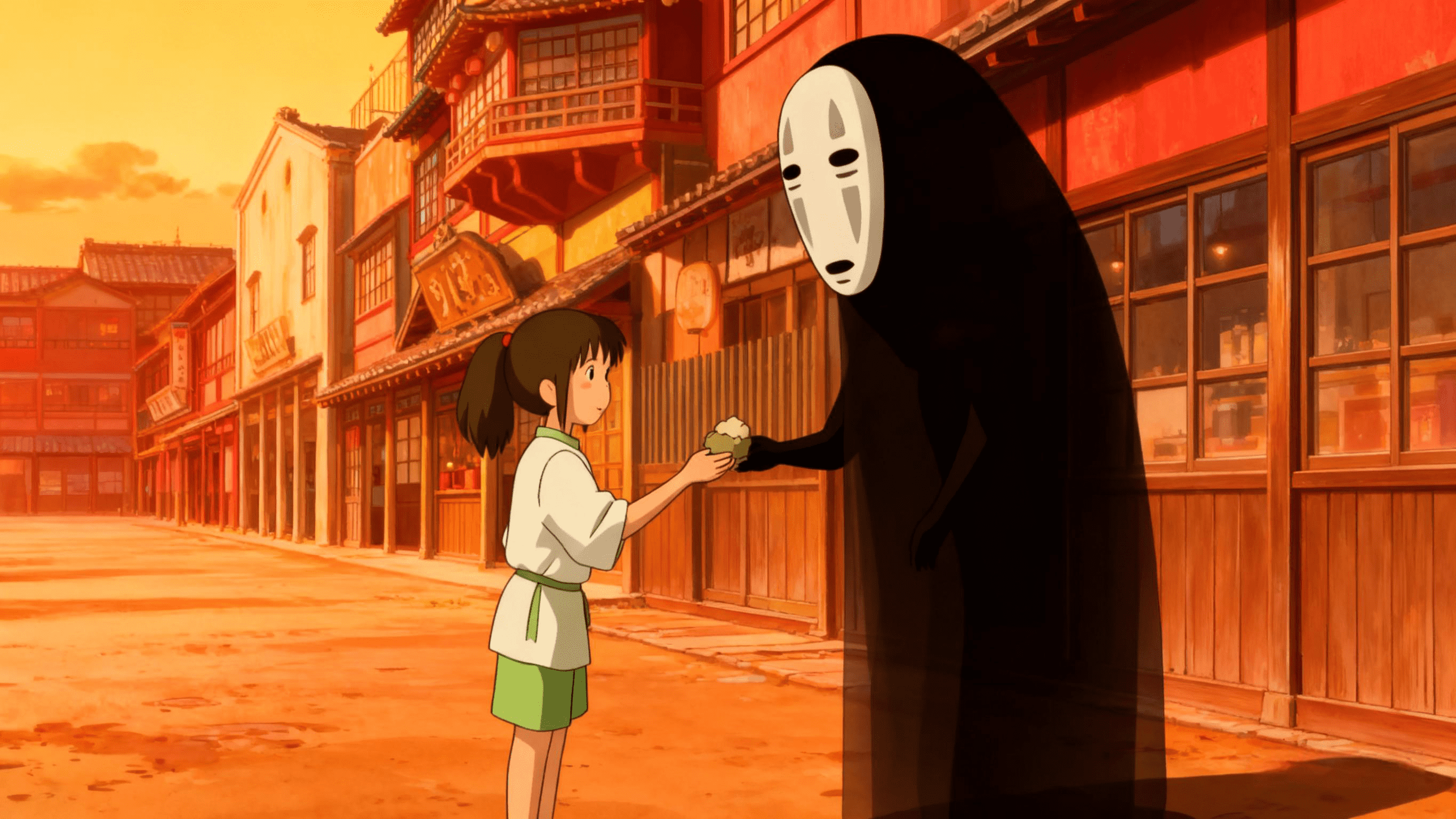
Q1: Why do Ghibli films resonate across cultures? Because they wrestle with universal themes—growing up, kinship, loneliness, dreams. Fear of isolation yet longing for independence transcends language, creating instant empathy. Q2: Are Ghibli films too childish for adults? Not at all. The whimsical exterior hides complex debates: 'Howl's Moving Castle' examines war and identity; 'The Wind Rises' weighs dreams against consequences. Rewatching at different life stages unlocks new readings. Q3: How can Ghibli's humanism aid parenting? Story-driven values stick better than lectures. 'My Neighbor Totoro' nurtures love of nature, 'Kiki's Delivery Service' models independence, 'Spirited Away' stresses integrity. Parents can discuss scenes rather than preach. Q4: Do non-Miyazaki directors share this humanistic touch? Absolutely. Isao Takahata's 'Grave of the Fireflies' explores dignity amid war, and Hiromasa Yonebayashi's 'Arrietty' spotlights respect between species. Humanistic care is the studio's shared DNA, not one auteur's quirk.
6. Wrap-up & Call to Action
Ghibli films are mirrors reflecting our cravings for growth, nature, memory, and love—and they hand us actionable advice: honor ordinariness, embrace the living world, treasure the past, act on hope. Which Ghibli line steadied you? Which character carried you through a low point? Share your story in the comments, or tell us which film you'd like unpacked next. Follow us for deeper dives into Ghibli's humanistic universe and keep that on-screen warmth glowing in everyday life.