Origins in the Ruins: From Trauma to Redemption
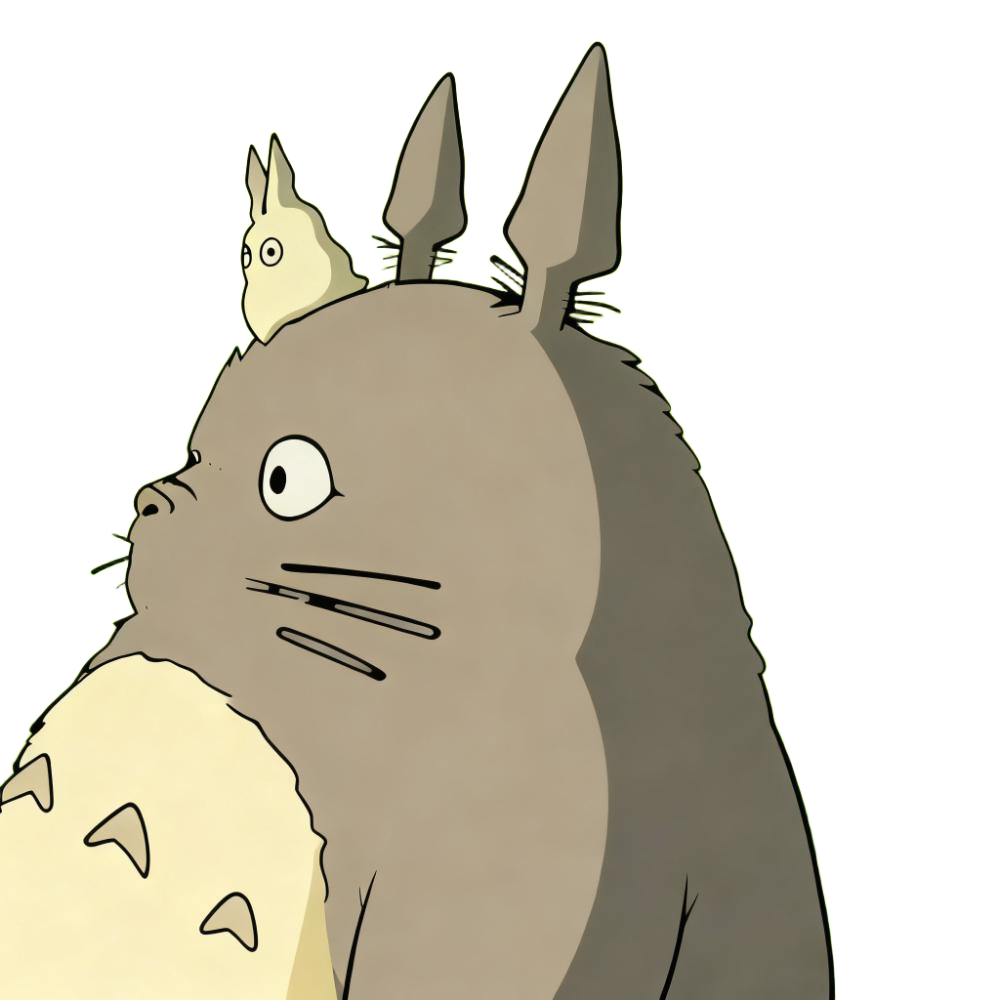
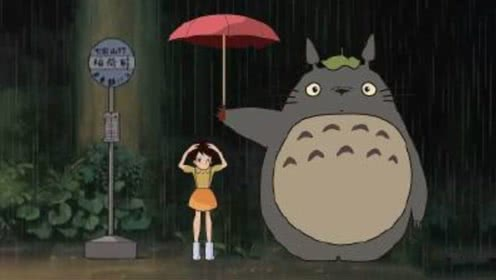
In 1988, during the first week of “My Neighbor Totoro”’s release, the theaters were so empty you could hear a pencil drop. At the celebration party, members of the production committee forced a smile while Toshio Suzuki hid in the restroom, calculating bankruptcy liquidation plans. No one predicted that this fluffy forest spirit would become a national icon ten years later, or that the Ghibli Museum’s landmark would be a Totoro ticket booth. The cruel reality at the time was this: three consecutive box-office failures, banks sending dunning letters like snowflakes, animators surviving on instant noodles while pulling all-nighters to finish in-betweens. In his autobiography, Miyazaki wrote, “We were like a ship in a storm; the only thing we could do was keep our souls from taking on water.” The turning point came from almost pathological persistence. When Disney demanded that the philosophical monologues in “Kiki’s Delivery Service” be cut, Toshio Suzuki sent Harvey Weinstein a katana and a note insisting on “no cuts.” Facing the wave of digital drawing, they clung to cel animation whose workflows were a hundred times more complex. While the industry chased sci‑fi mecha, Ghibli turned to depict the fluttering of first love in “Only Yesterday.” This choice to go against the current finally triggered a miracle in 1997—“Princess Mononoke” set a new Japanese box-office record with 19.3 billion yen. The confrontation between the forest princess and the iron town was like the ultimate dialogue between artistic ideals and commercial rules.
Spirited Away: A Mirror of the Bubble Economy
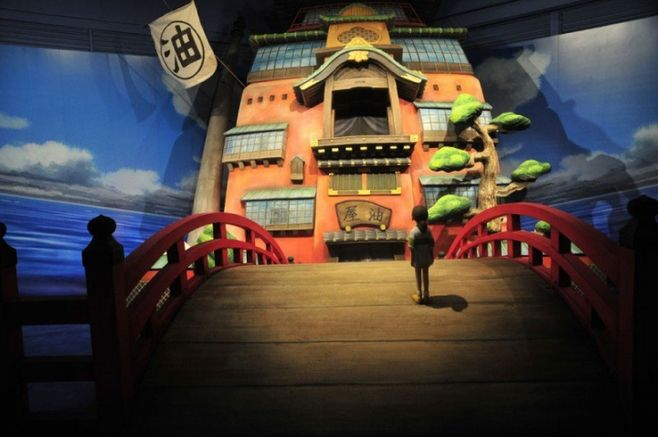
In 2001, when “Spirited Away” shone at the Berlin Golden Bear awards, Hayao Miyazaki was digging potatoes on a farm in Yamanashi Prefecture. This recluse who refused to attend the Oscars nevertheless created the first non-English-language film ever to win the Academy Award for Best Animated Feature. The corridor of the bathhouse that Chihiro traverses is a metaphor for Japan after the collapse of the bubble economy; No‑Face’s devouring desire projects the frenzy of consumerism; Haku’s loss of his name interrogates modern identity anxiety. While global media marveled at the fantasy journey of this eleven-year-old girl, few noticed that behind the scenes, the motion of every single wave in 60,443 hand-drawn key frames was verified against fluid dynamics.
The classic status of “Spirited Away” owes much to its vivid, three-dimensional characters—there is no absolute good or evil, and every character is a projection of the many facets of human nature. Their growth and redemption form the emotional core of the film. Chihiro is both the central protagonist and a stand‑in for every ordinary person’s coming‑of‑age story. When she first enters the spirit world, she is a spoiled, timid, complaining 10‑year‑old who can only cry and want to run away in the face of unfamiliar surroundings, feels helpless toward her parents’ greed, and is full of fear of the unknown dangers. Yet in order to save her parents, who have been turned into pigs, and to reclaim her own name and way home, she is forced to confront her fears—working as a low-level servant under Yubaba, scrubbing floors, cleaning bathtubs, dealing with difficult guests—and step by step breaks through her limits.
Princess Mononoke: The Ultimate Dialogue Between Civilization and Nature
“Princess Mononoke” is an epic work that Hayao Miyazaki spent six years crafting, exploring the conflict between humans and nature, civilization and the primordial. The film is tonally serious, with stunning battle scenes; the design of the Forest Spirit is both mysterious and powerful, making it one of Ghibli’s most iconic beings. The young prince Ashitaka bears a curse, and on his quest for a cure, he meets San—the princess raised by wolves who protects the forest—and witnesses the brutality of humans felling trees and waging bloody war against the gods. The boar god, driven mad by rage, turns into a demon; the Deer God, shot down, becomes a corrupted spirit; the forest withers in the fires of war. Ashitaka stands between both sides, struggling to find a path to coexistence.
In his production notes for “Princess Mononoke,” Miyazaki wrote: “Entering the forest is like entering the womb of the story; all lives and conflicts are conceived there.” This tendency to sacralize nature makes the forests in his works always appear with cathedral‑like solemnity and mystery. As modern people live more and more in man‑made environments, Miyazaki uses animation to rebuild a spiritual connection between humans and nature; his forests become sanctuaries where alienated modern souls can briefly rest.

Howl’s Moving Castle: Gentle Redemption Amid War
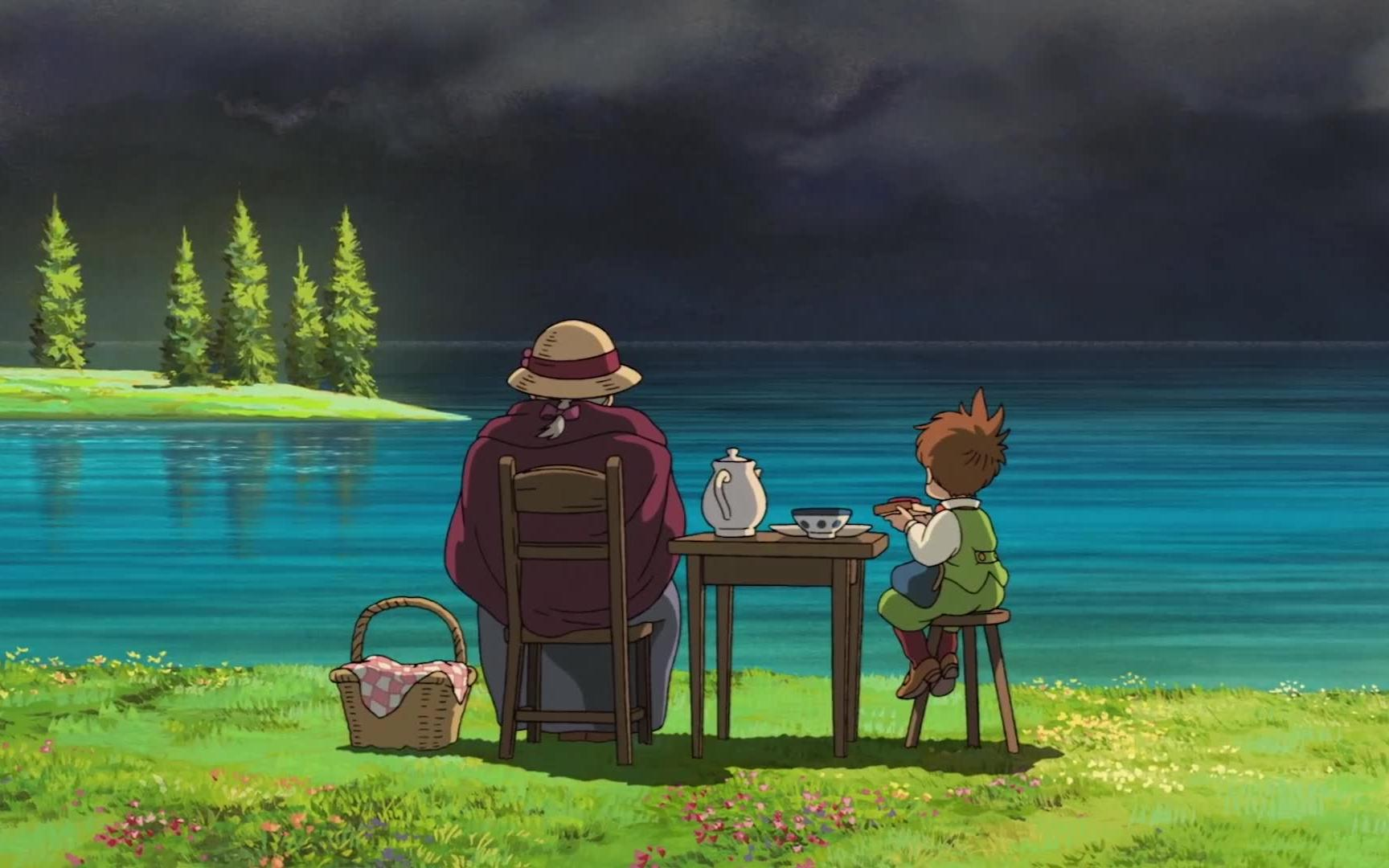
“Howl’s Moving Castle,” adapted from the novel by British writer Diana Wynne Jones, takes “anti‑war” as its core theme. The design of the moving castle is wildly imaginative, while the love story between Howl and Sophie is both romantic and profound; the theme song “The Promise of the World” became a global hit. Sophie, an 18‑year‑old hatmaker, is cursed by the Witch of the Waste and overnight turned into an old woman. She flees her hometown, wanders into Howl’s moving castle, and stays on as a cleaning lady. This mechanical castle hides a warm kitchen and a magical door; its master, Howl, torn by a pact with a demon, struggles internally and dodges the draft for war. Through her kindness and resilience, Sophie warms Howl’s heart and gradually breaks her own curse; together, they hold fast to true love and peace amid the chaos of war.
Joe Hisaishi’s score “Merry‑Go‑Round of Life” pairs perfectly with the flying sequences, satisfying the romantic fantasies of young girls while allowing adults to see that the essence of love is mutual salvation, and that the cruelty of war is far less precious than everyday warmth. With this film, Miyazaki tells us that true love and courage can break any curse, including the trauma of war and the fears within.
The Boy and the Heron: Miyazaki’s Ultimate Self‑Questioning
In 2023, Ghibli announced that Hayao Miyazaki was working on a new film, “The Boy and the Heron,” scheduled for release in 2025. Regarded as his final movie, it carries the tone of a farewell work. In emotional intensity, narrative depth, and painstaking animation craftsmanship, it pushes Miyazaki’s animated world to new heights. Its reflections on the complexity of the human condition are even more autobiographical and self‑reflective than those of “Nausicaä of the Valley of the Wind,” functioning both as a dialogue with the person in the mirror and with the audience. Miyazaki once said, “For me, the world in my films is reality; the real world is what’s fictional.” Almost every character setting in his films has a real‑life counterpart. It is said that the heron man is modeled on Toshio Suzuki, while the protagonist Mahito is undoubtedly based on Miyazaki himself. Born in Tokyo in 1941, Miyazaki was evacuated with his family during the war to the very area depicted as Kanuma in the film. Like Mahito, his father also ran an aircraft factory. As a child Miyazaki was frail and sickly; doctors once predicted he would not live past twenty, while Mahito in the film shuts down emotionally after his mother’s death and even harms himself, falling gravely ill.
An Ever‑Blowing Hot Wind: Ghibli’s Spiritual Legacy
Today Ghibli is valued at over 300 million US dollars, yet its studio still looks much as it did in 1985. Wooden desks are stained with paint from thirty years ago; a creaking fax machine receives letters from overseas fans; Miyazaki still watches children’s expressions during his daily train commute. During the production of “The Boy and the Heron,” at the age of 78 he personally corrected 70% of the key frames because “young animators can’t draw the eyes of people who lived through war.” This craftsman spirit has given birth to a unique set of creative principles: allowing “Howl’s Moving Castle” to proceed with virtually no fixed script, trusting that “the story will find its own way”; insisting that CG usage stay below 10% because “machines can’t draw the warmth of hand‑drawn lines”; and rejecting all sequel proposals, believing that “true art only ever offers the astonishment of the first encounter.”